

New Technologies in Hair Care
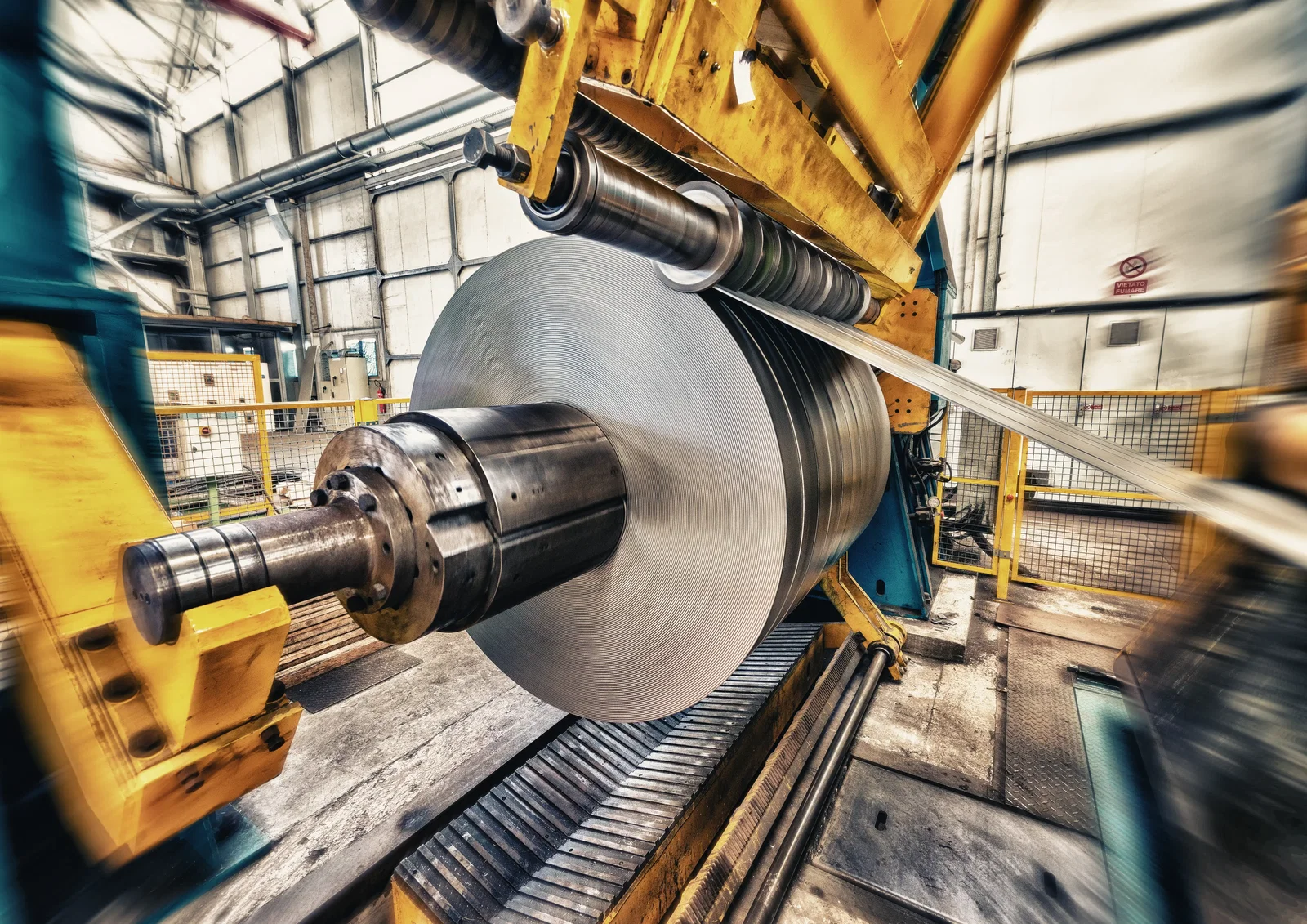
Flat Metal Cutting with New‑Generation Technologies: A Vision for the Future of Flat Metal The flat metal sector is experiencing one of the biggest transformations in its history, driven by Industry 4.0 and digitalization. From automotive to white goods, from construction to the energy sector, the processing of sheet metal—once merely a “cutting” operation—has become a process that requires advanced engineering and high technology.
In particular, the new‑generation technologies used on slitting lines reduce error margins to zero while maximizing efficiency. In this article, we will detail the new‑generation sheet‑metal slitting technologies that set the standards in the flat‑metal world and their impact on production quality.
Why Precision Matters in the Slitting Process Slitting is the process of dividing a flat metal roll into narrower strips (bands) of specified widths. A millimetric deviation that can occur during this operation may cause the final product to fail on the assembly line or render the material completely unusable.
New‑generation technologies are designed specifically to meet this need for “precision.” Robotic Blade‑Change Systems (Automatic Tool Change) 1. In traditional slitting lines, the biggest time loss is the manual blade change.
In new‑generation lines, robotic blade‑change systems come into play. * Speed and Efficiency: The hours‑long preparation process for manual blade change is reduced to minutes thanks to robotic arms.
* Zero Error: Operator‑induced measurement errors are eliminated entirely. Measurements entered via software are positioned by the robot with micrometer precision.
* Workplace Safety: Contact with sharp blades is minimized, reducing the risk of workplace accidents. Automatic Edge‑Control and Laser‑Tracking Systems When a sheet roll is opened, centering the material is critical for a smooth slitting operation.
New‑generation laser‑sensor edge‑control systems track the roll’s entry at millisecond speeds. If a shift in the sheet is detected, the system automatically aligns the roll or blade position.
This technology completely eliminates the “edge waviness” problem commonly seen in thin sheets. Tension Control and Surface‑Protection Technologies Re‑coiling each cut strip at the same tension is vital to prevent distortion of the roll form.
While older systems used felt pads, modern lines employ vacuum‑valve tension systems and air‑bag braking technologies. Why is this important?
In sensitive materials such as stainless steel, painted sheet metal, or bright‑finished aluminum, the surface must remain scratch‑free. New‑generation contact‑less or soft‑touch tension units preserve the material’s surface quality at 100 %.
Industry 4.0 and IoT Integration: Smart Lines By 2026, slitting lines operate like “data factories.” IoT‑enabled sensors allow real‑time monitoring of blade sharpness, motor energy consumption, and heating values. Vibration analysis on the line detects potential failures in advance (predictive maintenance).
This digital tracking provides customers with transparent traceability of every roll’s production history. Advantages of New‑Generation Sheet‑Metal Slitting A high‑technology slitting line offers the following benefits to companies that use flat metal: * Tight Tolerances: Cutting with tolerances of ± 0.05 mm enables trouble‑free operation on assembly lines.
* Minimal Scrap: New blade geometries produce clean, scrap‑free edges. * Fast Delivery: Shorter preparation times fully support a Just‑in‑Time (JIT) production model.
* Low Trim Loss: Smart optimization software minimizes edge trim, providing a cost advantage. The Future of Flat Metal: AI‑Assisted Cutting In the future, AI algorithms will analyze the chemical composition and mechanical properties of the sheet to determine the optimal slitting speed and blade pressure for each roll.
As a company, we closely monitor these technologies and keep our machine fleet constantly updated.